




7 Steps to Install a Bidet in a Rental Apartment
Last Updated: October 28, 2026
Quick Summary
You can install a rental apartment bidet by choosing a no-plumbing system that mounts on your existing toilet with no tools and no water line access. Most leases prohibit connecting to the plumbing, so check your lease before connecting. If they prohibit, we suggest hooking up a no plumbing bidet.
- Read your lease's modification and plumbing clauses before you choose a bidet.
- No-plumbing setup takes minutes: check fit, clean, attach seat, fill reservoir, connect pump, test spray.
- Refill the reservoir every day as part of your bathroom routine.
- Recharge your pump once a week as well.
Table of Contents
- Can You Install a Bidet in a Rental Apartment?
- How to Get Landlord Permission for Bidet Installation
- How to Install a Bidet Without Plumbing
- Choosing a Renter-Friendly Bidet Type
- Toilet Compatibility and Fit Checks
- Leak Prevention and Damage Protection
- How to Remove a Bidet When Moving
- Shop the PortaBidets Home Bidet for Your Rental
- Frequently Asked Questions
Can You Install a Bidet in a Rental Apartment?
Yes, you can install a rental apartment bidet. The catch is that "install" means something different for renters than it does for homeowners.
A traditional bidet needs a dedicated fixture and a plumber. That is not happening in a rental unit. What does work is a no-plumbing setup that sits on your existing toilet and comes off just as fast. At PortaBidets, our Home Bidet offers a bidet experience without complicated installation or water line access.
Below, we walk through the process, from the lease check to move-out removal.
What Renters Usually Face
Most leases treat plumbing changes as modifications. Even small ones.
Your landlord or property manager may not care about a bidet seat. But they will care if they find a cut supply line or a water stain on the ceiling below. The safest path is simple: pick a non-permanent option, ask first in writing, and leave the toilet exactly as you found it.
A no-plumbing bidet option is available for renters. For a deeper renter-focused overview of bidet attachments before committing, see our renter's guide to bidet attachments.
How to Get Landlord Permission for Bidet Installation
Ask before you buy. A short written request protects you far more than a verbal "sure, go ahead." The goal is a documented approval that names the product, the mounting method, and your commitment to restore the bathroom.
Step 1: Check Your Lease First
Before you email anyone, read the sections that govern modifications, plumbing, and fixtures. Most residential leases include a clause that prohibits alterations without written consent, and many specifically call out plumbing. Look for language such as:
- "No alterations or additions without prior written consent"
- "Tenant shall not modify plumbing or fixtures"
- "Landlord approval required for installation of any device"
- Rules about water beds, appliances, or fixtures that touch the water supply
If your lease is silent on bidets, that does not mean yes. It means the general modification clause controls. The PortaBidets Home Bidet is designed for use without complicated installation or water line access. Maintaining this non-invasive approach to bathroom upgrades mirrors the logic used to install temporary wall panels when you want to customize your living space without risking your security deposit.
Step 2: Send a Written Request That Answers the Obvious Questions
Property managers approve requests they can evaluate quickly. Give them the facts up front so they do not have to ask follow-up questions. A strong request covers:
- What it is: the product name and a one-line description
- How it mounts: on the existing toilet seat, no drilling, no tools
- What it does not touch: no water line cut, moved, or tapped; no new fixture
- How it comes off: removed in minutes at move-out, bathroom restored
- What you will do if asked: remove it immediately on request
- A direct question: "Do you approve this installation?"
Keep it short. A property manager who has to read three paragraphs to find the ask is more likely to say no or delay.
Step 3: Provide the Details That Prevent a Surprise Inspection
If your landlord or property manager wants more, offer:
- A product link or spec sheet showing the mounting method
- A photo of your toilet so they can see the fit
- A statement that the unit uses a reservoir and pump, not the building water supply
- Your move-out restoration plan in one sentence
This is the part most renters skip, and it is where approvals stall. A manager who cannot picture the install may have questions.
Step 4: Save the Reply and Keep It Findable
If approval comes by email or portal message, save it and label it clearly. If it comes verbally, send a short follow-up: "Thanks for approving the bidet seat we discussed. I will remove it and restore the bathroom before move-out." A reply to that message is your paper trail.
What If They Say No?
A no is not the end of the conversation. Ask what would make it approvable: a different product, a shorter installation window, or a written removal commitment. If the answer is still no, respect the decision and revisit it at lease renewal.
A Note on Rules That Vary by Location
Lease terms and building rules vary widely, and some jurisdictions have specific requirements for plumbing work or fixture changes. This guide is general renter guidance, not legal advice. If your lease is ambiguous or your building has unusual rules, ask your landlord in writing or consult a local tenant resource before you install anything.
How to Install a Bidet Without Plumbing
No-plumbing installation takes minutes and needs no tools. You mount the unit, fill the reservoir, and you are ready to use it.
PortaBidets Home – No-Plumbing Bidet for Renters →
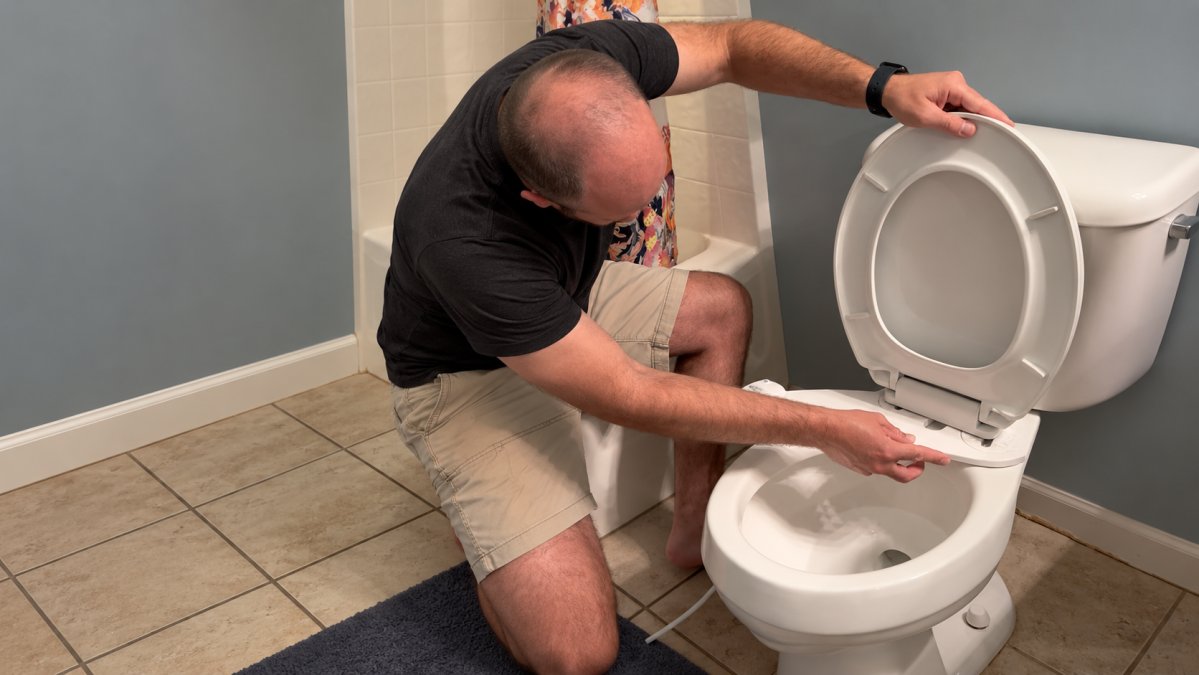
For a deeper walkthrough, our guide on how to install a bidet without plumbing covers every step in more detail.
Step-by-Step Setup
- Check the fit. Confirm the seat attachment lines up with your toilet bowl before you start.
- Clean the surface. Wipe down the bowl rim and seat area so the mount sits flat.
- Attach the seat. Set the bidet seat in place and secure it per the instructions.
- Fill the reservoir. Add water to the tank and seal it.
- Connect the pump. Hook up the pump and wand to the reservoir.
- Test the spray. Run it once over the bowl to check pressure and aim.
- Adjust and go. Fine-tune the angle, then use it as normal.
Choosing a Renter-Friendly Bidet Type
Three options fit renters, and they are not equal. Here is how they stack up.
Type |
Plumbing Needed |
Removable |
Best For |
|---|---|---|---|
Bidet attachment |
Yes, connects to supply line |
Yes, but touches plumbing |
Renters with a flexible lease and DIY skills |
Standalone bidet |
Yes, new fixture |
No |
Homeowners only |
No-plumbing bidet system |
None |
Yes, in seconds |
Renters who want zero risk |
Attachments vs. Standalone vs. No-Plumbing Systems
The PortaBidets Home Bidet brings a bidet experience to your bathroom without complicated installation or water line access. It uses the same powerful Traveler pump and water reservoir, paired with a bidet seat attachment.
If you want more control, add the Handheld Wand Add-On.
Toilet Compatibility and Fit Checks
Check the product information and your toilet before you buy. You can also review the Extra Accessories Bundle to check available nozzles and attachments that help the bidet fit different needs.
- Bowl shape: round and elongated bowls are the two common types. Confirm the seat attachment matches yours.
- Seat hinges: make sure the mount clears the hinge area.
- Wall clearance: leave room for the reservoir and pump beside the bowl.
Leak Prevention and Damage Protection
The right precautions depend on the bidet option you choose.
If You Chose a No-Plumbing System
The PortaBidets Home Bidet uses a water reservoir. Follow the product instructions for handling it.
- Fill the reservoir over the sink, not over the floor
- Check the seal and cap before each use
- Wipe up splashes right away
If You Chose a Water-Connected Attachment
- Inspect the existing connection. Look at the shutoff valve and the supply line for corrosion, cracks, or moisture. If the valve is stiff or the line looks worn, stop and ask your landlord to have it serviced before you touch it.
- Confirm the parts. You need a T-valve that matches your toilet's fill valve thread, plus the flexible hose included with the attachment. Mismatched threads are a common source of slow leaks.
- Hand-tighten, then a quarter turn. Over-tightening crushes washers and causes leaks. Hand-tight plus a small turn with a wrench is the standard approach.
- Leak-test before use. Turn the water back on and watch the connection for several minutes. Wrap a dry paper towel around each joint and check it after a few minutes; any moisture means stop and re-seat the fitting.
- Know your shutoff. Locate the toilet shutoff valve before you start and confirm it turns freely. If a fitting leaks, close that valve first, then dry the area and reassemble.
Emergency Response If a Fitting Leaks
If water is escaping, act in this order:
- Close the toilet shutoff valve
- Dry the floor and the base of the toilet immediately
- Place a towel or shallow container under the fitting
- Do not run the bidet until the connection is re-seated and re-tested
- Photograph any damage before cleanup so you have a record
A slow drip that runs behind the toilet for a week can stain flooring or reach the unit below. Fast cleanup is what keeps a small leak from becoming a deposit claim.
Protecting the Deposit Either Way
- Photograph the bathroom before installation and after removal
- Keep the unit dry and stored properly between uses
- Report any pre-existing moisture or damage to your landlord in writing before you install
- Remove the unit and restore the original fittings before move-out
The no-plumbing path removes the supply-line risk entirely, which is why it is the simplest choice for renters who want a real bidet clean without touching the plumbing.
How to Remove a Bidet When Moving
The PortaBidets Home Bidet is designed for use without complicated installation.
- Drain the reservoir completely
- Detach the pump and wand
- Remove the seat attachment
- Wipe down the toilet and surrounding floor
- Dry every part before packing
- Check the bowl and floor for marks
- Photograph the bathroom as you leave it
Shop the PortaBidets Home Bidet for Your Rental
The PortaBidets Home Bidet is designed for renters who want a bidet without complicated installation or water line access.
The PortaBidets Home Bidet brings a bidet experience to your apartment without complicated installation or water line access. It uses the same powerful Traveler pump and water reservoir, paired with a bidet seat attachment, for a consistent, effective clean. Add the Handheld Wand Add-On if you want more control.

No complicated installation or water line access.
Get started with the PortaBidets Home Bidet for your rental.
Frequently Asked Questions
Can I install a bidet in my rented apartment?
Check your lease and ask your landlord or property manager before installing a bidet. The PortaBidets Home Bidet ($104.00) is designed for use without complicated installation or water line access. You can describe the product in a written request and keep the reply on file.
Is there a renter-friendly bidet that does not touch the plumbing?
The PortaBidets Home Bidet is designed for use without complicated installation or water line access. It uses the same powerful Traveler pump and water reservoir, paired with a bidet seat attachment. You can add the Handheld Wand Add-On ($99.00) for a handheld option.
Do I need a plumber to install a bidet in a rental?
The PortaBidets Home Bidet is designed for use without complicated installation or water line access. Check the product information for setup details, and review your lease or ask your landlord about any approval requirements.
How do I remove a bidet before moving out?
Check the product instructions for removal guidance. The PortaBidets Home Bidet is designed for use without complicated installation or water line access.


